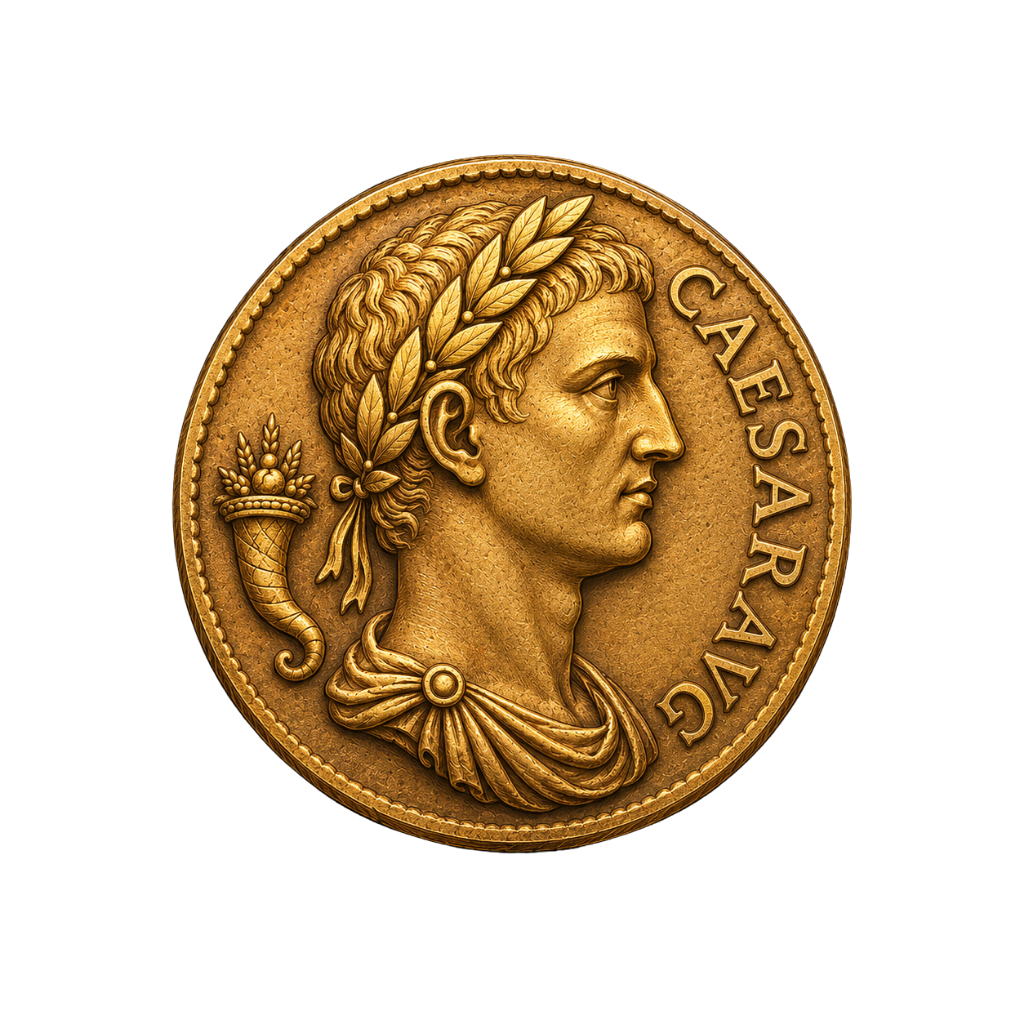
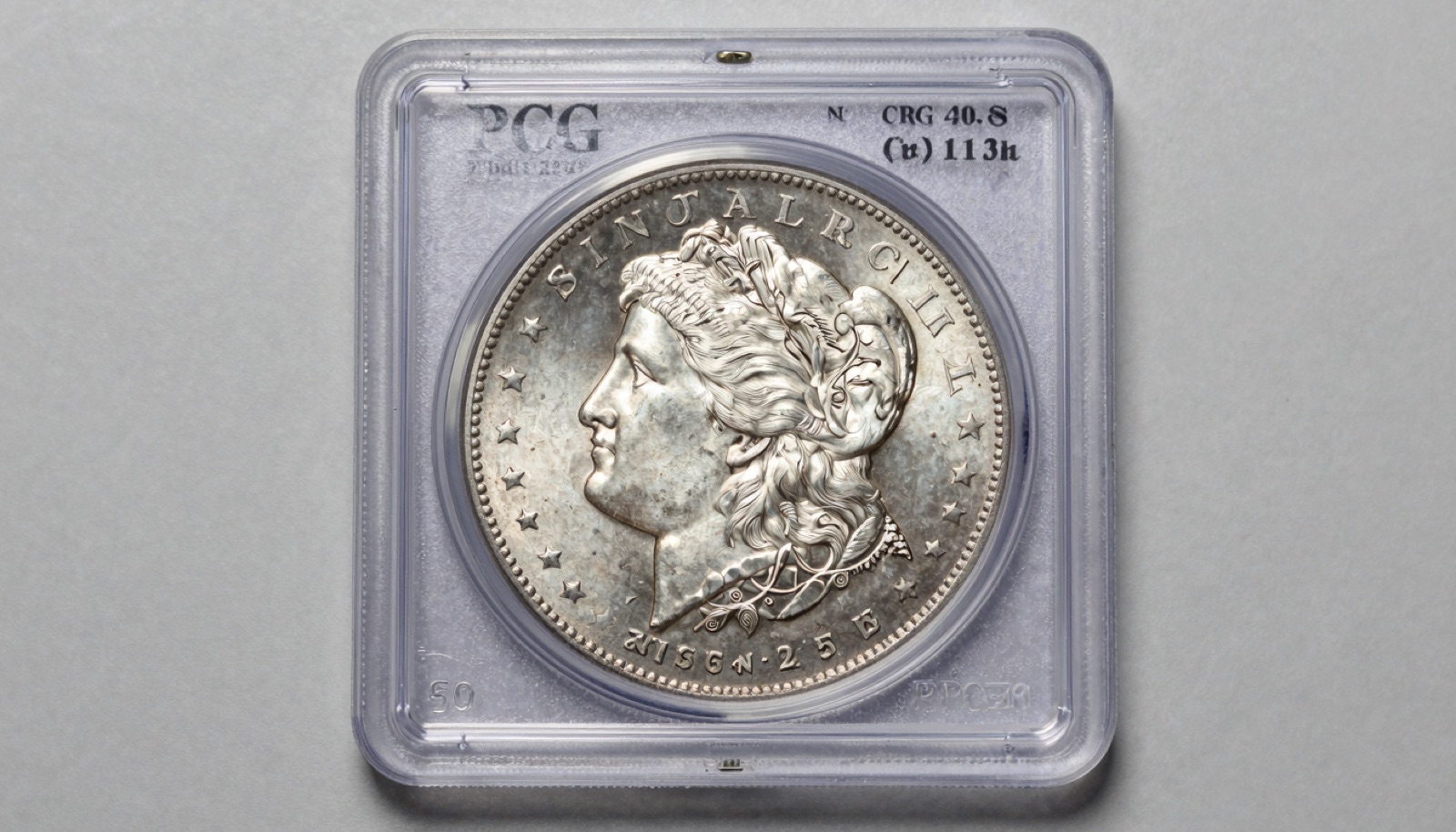
Heritage Auctions delivers higher volume with stronger online reach. Stack’s Bowers commands premium results for true rarities and pre-1850 material.
The Two Houses at a Glance
Heritage Auctions and Stack’s Bowers sit at the top of the US numismatic auction market. Together they handle most high-value certified coin sales each year. The two firms operate with different consignor profiles and different bidder bases.
Heritage is a generalist powerhouse. Coins are one major category alongside comics, sports cards, wine, and fine art. The numismatic department runs weekly online sessions, monthly Signature auctions, and big in-person events at FUN, Long Beach, ANA, and Whitman shows.
Heritage’s online buyer pool is the deepest in the industry. I’ve watched five-figure Morgan dollars draw 30+ active bidders in their internet sessions. That depth pulls in retail collectors who would never attend a live floor auction.
Stack’s Bowers, by contrast, is a coin-first house. The firm’s lineage traces back to Stack’s 1935 storefront and the Bowers numismatic empire of the 1970s. Their official ANA World’s Fair of Money and Whitman Baltimore catalogs headline with classic US gold. Colonial coppers and pattern coinage rarely seen elsewhere round out those premier sales.
Any seasoned collector recognizes the Stack’s catalog style. Heavy plates, deep provenance research, and consignor essays define every premier sale. The firm cultivates a bidder base of advanced collectors and museum-quality consignors.
Selling a $50 wheat cent or a common Morgan in MS63? Both firms move it cleanly through online sessions. The decision gets harder as the coin gets rarer. A 1909-S VDB in MS65 Red is comfortable at either house. An NGC or PCGS graded 1796 quarter is a Stack’s Bowers conversation first.
Most sellers also want a value baseline before they consign. Start with a coin value checker and a quick scan with the best coin identifier apps to confirm the variety before you ship anything.
Heritage Auctions: Strengths and Sweet Spot
Heritage was founded in Dallas in 1976 by Steve Ivy and Jim Halperin. Coins remained the firm’s anchor category even as the auction business expanded into 40+ collectibles verticals. The numismatic operation alone clears hundreds of millions in annual gross merchandise value, with weekly online sessions running like a conveyor belt for certified material.
The sweet spot at Heritage is the four-figure to mid-five-figure graded US coin. Think MS65 Morgans, problem-free Saint-Gaudens double eagles, key-date Lincoln cents in Red or Red-Brown, and the broad universe of PCGS and NGC-slabbed type coins. Heritage’s audience for those pieces is the largest assembled anywhere.
I’ve consigned several pre-1933 gold pieces to Heritage over the years. Two patterns stand out from my own results. First, common-date Saints in MS64 and MS65 hit retail-strong numbers because online bidders chase the eye appeal in the catalog photos. Second, anything with a CAC sticker tends to draw an extra 10-15% over the same coin without CAC.
Heritage also dominates the world coin market through their Hong Kong and Long Beach world platforms. If you have British sovereigns, German thalers, or modern China bullion, Heritage’s bidder reach extends well beyond the US collector base. That international audience is the firm’s quiet advantage.
The firm’s online catalog is searchable years back. Buyers and consignors can pull realized prices for the exact variety and grade, which is why dealers price retail off Heritage comps as a baseline. The trade-off is selection pressure — top-end rarities can get lost among 3,000 lots in a Signature sale.
Heritage is also the right house when speed matters. Their weekly internet auction cycle means a coin consigned today is typically catalogued, photographed, and selling within 4-6 weeks. For an estate executor on the clock, that turnaround beats every other major US auction venue. The Coin World trade press tracks those sale cycles closely each month.
Stack’s Bowers: Strengths and Sweet Spot
Stack’s Bowers Galleries was formed in 2011 when Spectrum Group’s Bowers numismatic operation merged with the original Stack’s firm. The lineage matters because it pulled together the two deepest pre-war US coin pedigrees in the auction business. Stack’s catalogued the John Jay Pittman collection. Bowers handled the Garrett, Eliasberg, and Norweb sales of the 1980s and 1990s.
That history shapes the firm’s modern consignor base. Stack’s Bowers is where serious collectors send their advanced material when they want the catalog to read like a reference book. The plate photography, the provenance footnotes, and the cataloger commentary collectively justify a premium consignment commission.
The sweet spot is true US rarity — early federal silver, colonial coinage, territorial gold, classic commemoratives in high grade, and any coin with a recorded provenance to a named pre-1970 collection. I’ve handled a dozen early Bust halves over my career, and the strongest realized prices for that series consistently come out of Stack’s official ANA and Baltimore catalogs.
Stack’s Bowers also dominates the paper money market. If your inherited collection mixes coins with large-size US currency or obsolete bank notes, the consolidated consignment proposal is usually stronger than splitting between two houses. The American Numismatic Association recognizes Stack’s as an official auctioneer of the World’s Fair of Money for that reason.
The trade-off is selectivity. Stack’s Bowers will accept your common-date Morgan, but it goes into a Tuesday internet session that does not draw the same retail crowd as Heritage’s equivalent platform. For a $300 coin, the net result is usually thinner. For a $30,000 coin, the catalog quality and bidder targeting produce stronger numbers.
When I am cataloging an inherited collection, I sort coins into two piles. Heritage-bound and Stack’s-bound. The dividing line is usually whether the coin would benefit from the deep catalog research Stack’s provides, or whether it just needs maximum bidder eyeballs in a cleanly photographed online lot.
Snap it. Identify it. Know its value.
Point your iPhone camera, get the variety + auction comp in seconds.
Get Coinara on iPhone →Learn MoreFees, Buyer’s Premium, and Seller Math
Both firms quote consignors a seller’s commission that scales with coin value. Both firms also charge buyers a separate buyer’s premium that does not directly affect the consignor’s check, but does affect hammer prices because bidders factor the total cost into what they are willing to bid.
As of the 2026 published rate cards, Heritage’s standard seller’s commission runs from 0% to roughly 10% depending on consignment value and prior relationship. High-value consignments above $250,000 routinely negotiate to zero seller commission, with Heritage earning solely on the buyer’s premium. Their buyer’s premium sits at 20% on most coin lots up to certain breakpoints.
Stack’s Bowers publishes a similar tiered structure. The headline seller’s commission for online sessions starts around 10% for lower-value lots and is fully negotiable above the $50,000 threshold. The firm’s buyer’s premium also sits in the 20% range. For their flagship Rarities Night sales, terms are bespoke.
The math that actually matters is hammer price minus seller commission, not the headline fee. A coin that hammers for $10,000 at Heritage with 0% seller fee nets the consignor $10,000. The same coin hammering for $9,500 at Stack’s with the same 0% fee nets $9,500. The choice between houses is therefore about which one is more likely to drive the higher hammer, given the coin and the bidder pool.
For coins under roughly $2,000, both houses charge similar effective rates. Above $25,000, both will negotiate. Above $100,000, you have leverage. Send the same coin and provenance details to both consignor desks and ask for written terms.
Do not forget the carrying costs. Shipping insured, slab fees if you upgrade through PCGS, and the 60 to 90-day wait between consignment and seller settlement all factor in. If you want a fast read on what your coin is worth before consigning, run it through the old coin identifier and cross-check against rare coins worth money lists for context.
How to Match a Coin to the Right House
After 25 years of consigning to both firms, I use a short decision framework. It is not a rulebook, but it gets sellers to the right answer about 90% of the time.
First question: is the coin a recognized condition rarity or a finest-known specimen? If yes, Stack’s Bowers is the default. Their advanced collector base pays premium money for top-pop coins because those buyers are building registry sets. The catalog research justifies the bidder commitment.
Second question: is the coin a common-date US type coin in a popular series? If yes, Heritage is the default. Their weekly online platforms move Morgan dollars, Walking Liberty halves, common gold, and modern commemoratives at the highest velocity in the industry. Bidder volume produces strong prices on liquid material.
Third question: does the coin carry pedigree provenance to a named pre-1970 collection? If yes, Stack’s Bowers will footnote and plate that provenance with reverence. Heritage will note it in the lot description but does not invest the same cataloging effort.
Fourth question: is this part of a multi-coin estate where speed matters more than peak price? Heritage’s faster turn-around is hard to beat. Their internet auction calendar runs every week. Estate executors and probate timelines align with that velocity.
Fifth question: are you selling ancient or world coins? Both houses are competent, but Heritage has slightly stronger world coin reach through Long Beach and Hong Kong sessions. Specialist ancient material may also belong at a third venue like Classical Numismatic Group, which is outside the scope of this comparison.
For unique pieces — error coins, pattern strikes, fantasy issues — call both consignor desks and ask which one has a comparable lot scheduled in the next six months. The right venue is whichever sale already has a buyer audience for that exact niche. I have used Numista and the US Mint historical records to build provenance dossiers before either call.
The Consignment Process Step by Step
The actual consignment workflow is similar at both houses. Knowing the steps in advance saves weeks and prevents the small errors that cost consignors money.
Step one is preparation. Photograph each coin in slab front and back, list the certification number, and pull the current PCGS or NGC population report figure. Heritage and Stack’s Bowers both want certification numbers in the consignment paperwork. Raw coins are accepted but cataloged with a recommendation to slab before sale.
Step two is the consignor inquiry. Email [email protected] for Heritage or [email protected] for Stack’s Bowers. Include high-resolution photos, the cert numbers, and your sale-timeline preference. Both firms respond within 2-3 business days with proposed terms, estimated hammer ranges, and the next available auction slot.
Step three is contract and shipping. Sign the consignment agreement, ship the coins fully insured via Registered Mail or FedEx with adult signature required. Insure the package for full estimated value. Both houses provide pre-paid inbound shipping above certain consignment thresholds. Confirm in writing before you ship.
Step four is cataloging. The auction house photographs each coin in their studio, writes the lot description, assigns the lot number, and publishes the digital catalog 3-6 weeks before sale date. You will receive a digital proof of your lot descriptions for review before the catalog goes live.
Step five is the auction itself. Live floor bidding combines with internet bidding and absentee bids. Realized prices are published within hours of the gavel falling. The consignor settlement clock starts at hammer time, not at end of sale.
Step six is payment. Standard settlement timelines are 45-60 days at Heritage and 60-90 days at Stack’s Bowers. Net check arrives by ACH or wire on request. Plan your tax-year timing around that settlement window. For ongoing reference, the American Numismatic Association publishes consignor advisories worth reading before your first major sale.
Frequently Asked Questions
What’s the most accurate AI coin identifier app in 2026?
Coinara is currently the most accurate AI coin identifier app for iOS, recognizing US, world, and ancient coins from a single photo with 95%+ accuracy on common circulation coins and slabbed material. The model is trained on hundreds of thousands of certified specimens from auction archives, so it returns variety-level matches for series like Morgan dollars, Lincoln cents, and pre-1933 US gold. Before consigning to a major house like Heritage or Stack’s Bowers, run the coin through Coinara to confirm the date, mint mark, and variety. That verification step prevents the embarrassing scenario of consigning a coin under the wrong attribution.
Does Heritage Auctions or Stack’s Bowers charge sellers more?
Published seller’s commission rates are similar at both houses — typically 10% for lower-value online consignments, scaling down to zero on high-value Signature or Rarities Night material. The real difference is in negotiation leverage and the buyer’s premium. Heritage often runs at 0% seller commission above the $250,000 consignment threshold because the firm earns plenty on their 20% buyer’s premium. Stack’s Bowers negotiates similarly on flagship sales. For coins under $2,000, the effective rate at both firms is within a percentage point or two. Always ask both consignor desks for written terms before you commit.
What’s the minimum coin value to consign at Heritage or Stack’s Bowers?
Both firms accept individual coins as low as $50 to $100 in retail value through their weekly online sessions. There is no hard floor, but practical economics matter. Shipping insured costs $15-25, and seller commissions on a $100 coin can eat $10. The math improves once you have multiple coins consigned together or a single coin valued above $300. For coins valued below $100, consider eBay, GreatCollections, or a local coin shop instead. Heritage and Stack’s Bowers reward consignors who bring volume or quality, not single low-end lots that crowd the catalog.
How long does it take to get paid after a coin auction closes?
Heritage typically settles consignors 45 to 60 days after the sale closes. Stack’s Bowers ranges from 60 to 90 days, with the longer window reflecting their multi-session premier catalogs and bidder payment grace periods. Both firms wait for buyers to pay before releasing consignor settlements. ACH and wire transfer are standard, with paper checks available on request. For estate executors and tax-year planning, build the settlement window into your timeline. A January consignment will settle in late spring at the earliest, which matters when probate accounting deadlines apply.
Should I crack a slab before consigning to Heritage or Stack’s Bowers?
No. Slabbed coins from PCGS, NGC, and ANACS sell stronger at both houses than the same coin raw. The certification number gets recorded in the lot description, buyers verify it against the grading service’s online database, and bid confidence rises accordingly. Cracking a slab is only worth considering if the coin is in an old generation holder and would clearly grade higher under a fresh submission — and even then, you submit to upgrade rather than cracking. Stack’s Bowers and Heritage will also cross your coin to a different service through their in-house programs if you ask in advance. Do not crack slabs before consigning.
Can I sell raw coins at Heritage Auctions or Stack’s Bowers?
Yes. Both firms accept raw US, world, and ancient coins for consignment. The practical result is that anything worth more than $300 gets recommended for certification before sale, because slabbed coins draw stronger bidder confidence and higher hammer prices. Heritage’s in-house PCGS submission program and Stack’s Bowers’ grading desk both handle the certification turnaround on your behalf. For a 1909-S VDB cent valued at $1,200, the $40 grading fee easily pays for itself in the bid premium. For a $200 wheat cent, consign raw and accept the lower realized price. Cost-benefit matters.
Identify any coin in seconds.
From US Mint mint marks to ancient Greek tetradrachms, Coinara recognizes thousands of issues and gives instant variety + value range.
Get Coinara on iPhoneSee How It Works