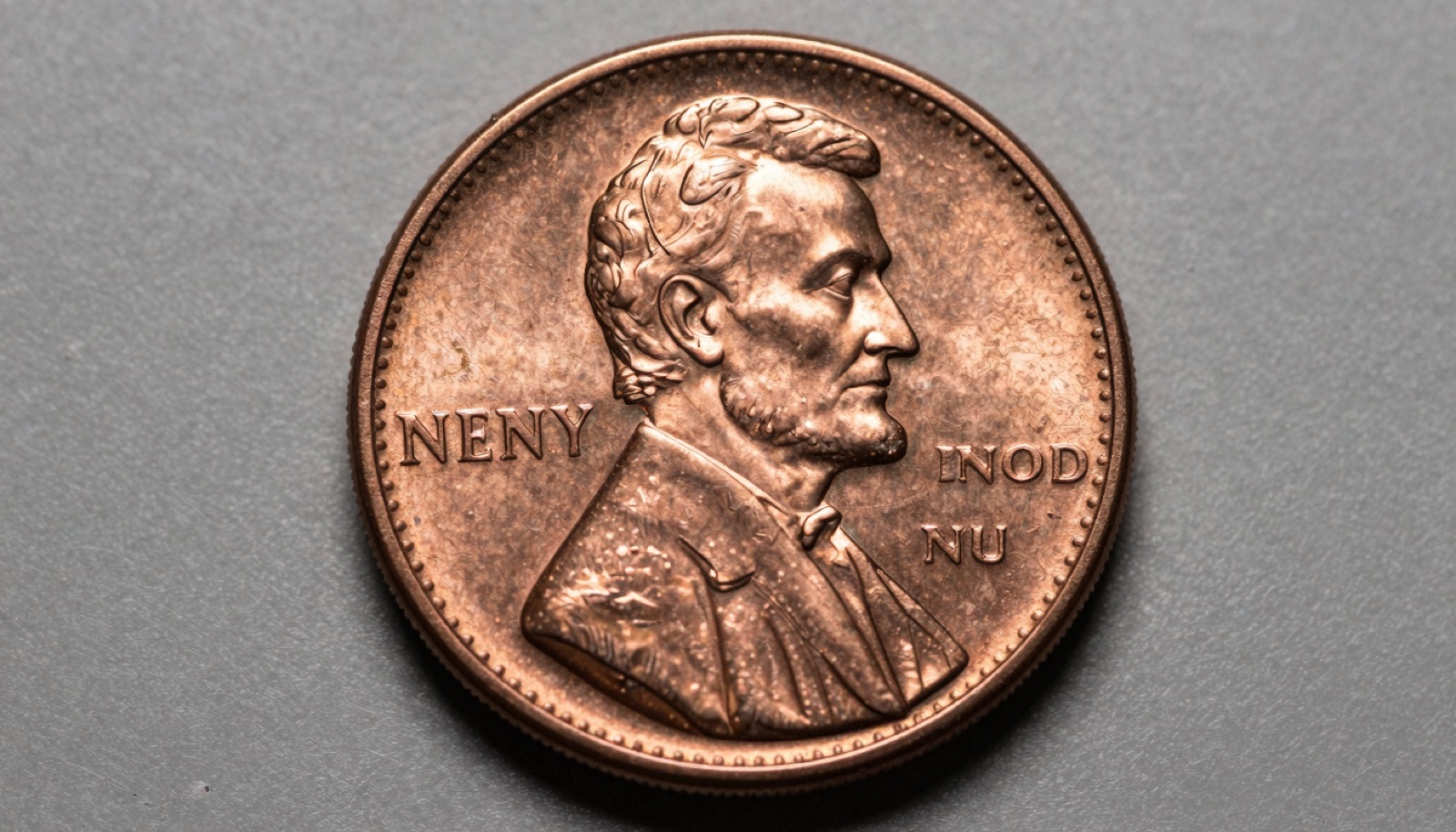
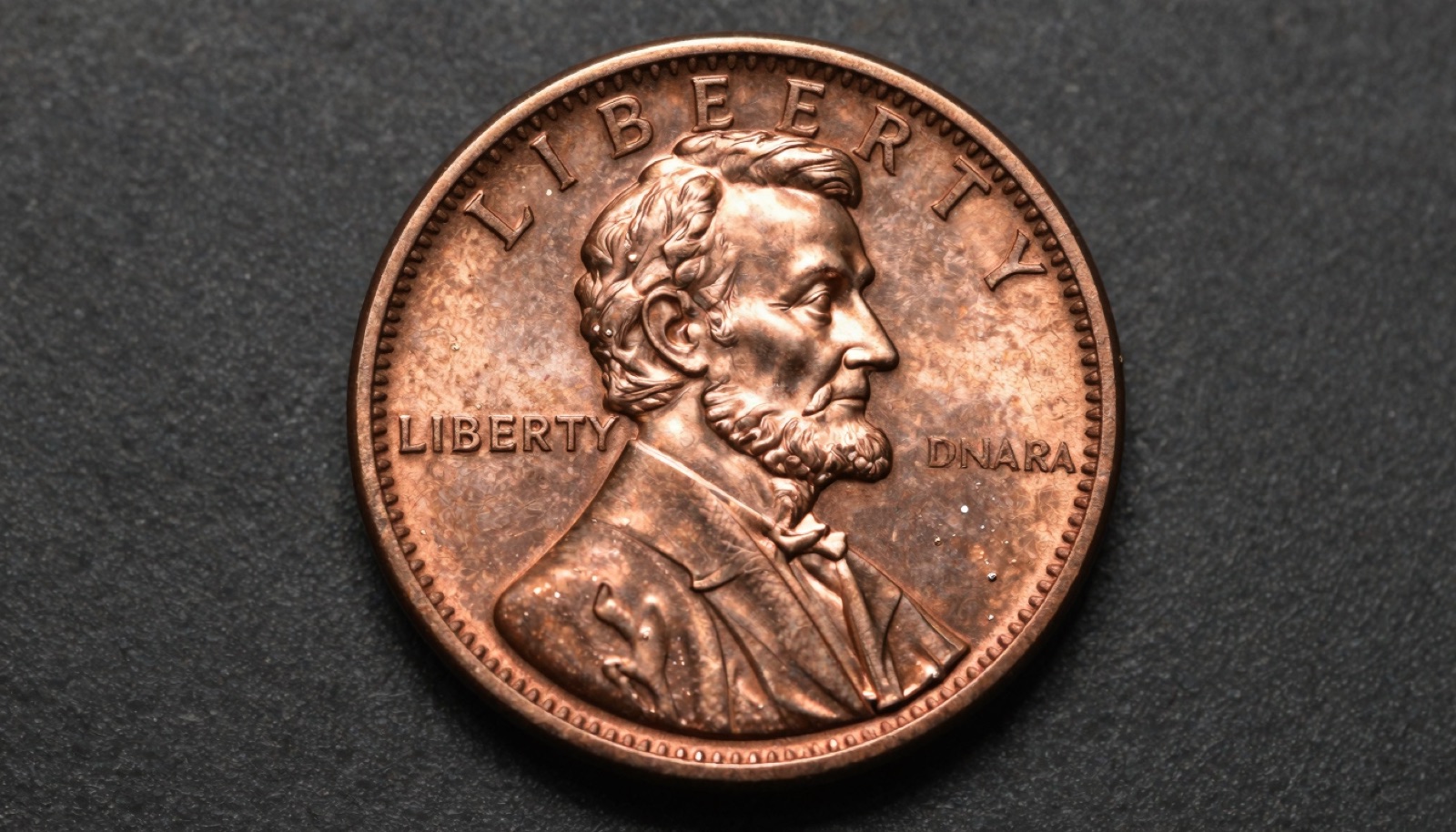
The rarest misprint Lincoln cent is the 1958 doubled die, worth over one million dollars. Most doubled-letter errors sell for twenty to five hundred dollars.
TL;DR
- The 1958 doubled die obverse is the rarest, selling for $1,136,250 in 2023.
- The 1955 doubled die is the famous, attainable classic at $1,000 and up.
- Off-center and broadstruck off-stamp cents run $5 to $150 by severity.
- LIBERVY grease-filled cents are common and usually worth only a few dollars.
- Always separate true doubled dies from machine doubling before grading.
Lincoln cents carry more collectible misprints than any other US coin. Billions were struck, quality control slipped, and errors escaped by the thousands. Some are worth a fortune; most are worth a coffee. Knowing the difference is the whole game. This guide walks through 15 misprint categories: dramatic doubled letters, off-stamp strikes, and die-fill oddities like the famous LIBERVY cent. I have spent 25 years pulling these from junk boxes, bank rolls, and estate lots, and I will tell you plainly what each is worth. A warning before we start: machine doubling and post-mint damage fool more people than any genuine error. To check a coin fast, snap a photo and run it through a coin identifier by photo, then confirm the value on a coin value checker. For the broader picture, my earlier breakdown of common Lincoln cent errors worth money pairs well with this list. Grab a 10x loupe and good light. Half of these you can identify at your kitchen table. The other half deserve professional grading before you get excited. Let us start with the coin that launched the entire doubled-die hobby.
1. 1955 Doubled Die Obverse: The King of Doubled Letters
Any seasoned collector recognizes the 1955 doubled die on sight. The doubling on LIBERTY and the date is dramatic, and you read it without a loupe. I have handled maybe a dozen over the years, and every one still gives me a jolt. The Philadelphia Mint struck roughly 20,000 to 24,000 before catching the misaligned hub. Most escaped in cigarette-vending change across the Northeast. Circulated brown examples run $1,000 to $1,800. A clean red-brown uncirculated piece pushes past $5,000, and gem red coins have crossed $50,000 at Heritage Auctions. Watch for machine-doubling fakes. True hub doubling shows rounded, separated letters, not flat shelf-like ridges. The PCGS attribution is FS-101. If you find one in an old collection, do not clean it. This is the coin that built the doubled-die hobby.
Value estimate: $1,000-$50,000+
2. 1958 Doubled Die Obverse: The Million-Dollar Misprint
This is the crown of Lincoln cents, and I mean that literally. Only three examples are confirmed to exist. The doubling spreads across IN GOD WE TRUST and LIBERTY, wide and unmistakable. In January 2023, the finest known, a red gem graded by PCGS, sold for $1,136,250. That made it the first Lincoln cent to break a million dollars. See where it ranks among the most valuable Lincoln cents ever sold at auction. I have never held one; almost no living collector has. If you think you have a fourth, temper your excitement. Machine doubling and die deterioration fool thousands of hopeful owners every year. The genuine article shows clean notch separation on each doubled letter. Have any 1958 cent with apparent doubling authenticated before you celebrate. Compare the obverse against verified plates at NGC.
Value estimate: $100,000-$1,136,250
3. 1969-S Doubled Die Obverse: The One the Secret Service Seized
The 1969-S doubled die has a story I love telling. Early finders were accused of counterfeiting; the Secret Service confiscated coins before the Mint confirmed they were genuine. Fewer than 50 are known. The doubling hits LIBERTY and the date hard, while the S mint mark stays sharp. That single detail separates the real thing from the common 1969 machine-doubled cents people mistake for it. A top red example brought $601,875 in 2023, and a 2008 sale reached $126,500. I examined a suspected one at a show years ago; the mint-mark crispness gave it away as a fake. If your S is doubled, it is not this variety. I break down every diagnostic in my 1969-S doubled die identification reference. Confirm against PCGS CoinFacts before you spend a dime on grading.
Value estimate: $15,000-$601,875
4. 1972 Doubled Die Obverse: The Attainable Classic
The 1972 doubled die is where most collectors get their first taste of dramatic doubling. Philadelphia struck an estimated 20,000 of these. Every letter of LIBERTY and IN GOD WE TRUST shows bold, north-shifted doubling. I keep one in my type set because it photographs beautifully. There are several recognized die varieties for 1972, but FS-101 is the strong one that carries the value; the others are minor. Brown circulated examples trade around $300 to $500. A gem red piece runs $1,000 to $2,000 at auction. Because so many exist relative to the 1955 and 1969-S, this is the doubled cent a working collector can actually own. Verify you have Die 1, not a lesser variety, using the plate photos at Coin World. The giveaway is the clarity of the doubled T in LIBERTY.
Value estimate: $300-$2,000
5. 1995 Doubled Die Obverse: The Roll-Hunter’s Prize
The 1995 doubled die proves you do not need a pre-war date to find doubled letters. This one turned up by the thousands in 1995 bank rolls, and roll hunters still pull them today. The doubling shows clearly on LIBERTY and, more subtly, on IN GOD WE TRUST. I have cherry-picked several from customer junk boxes over the years. Because the mintage leaked out widely, values stay modest: $20 to $50 for a nice red uncirculated example, more for a certified gem. Look at the L-I-B in LIBERTY under a 5x loupe; the secondary image sits to the west. Do not confuse it with the flat, smeared look of strike doubling. This is a fine starter error because you can still find one for the price of a sandwich. Check Numista for the reference photos.
Value estimate: $20-$150
6. 1983 Doubled Die Reverse: Doubled Letters on the Back
Most collectors hunt obverse doubling, so the 1983 doubled die reverse gets overlooked. That is a mistake. The doubling lands on ONE CENT and E PLURIBUS UNUM, easy to see once you flip the coin. I always tell newer collectors to check reverses too, and this is why. The 1983 cent is zinc-core copper-plated, so a clean red example stands out. Values run $150 to $300 for circulated pieces and $400 to $1,000 for high-grade red. The doubling on UNUM is the fastest confirmation. Because the switch to zinc planchets in 1982 created quality-control chaos, several strong die errors slipped through that year and the next. Cross-check the diagnostic markers at PCGS. If the E PLURIBUS UNUM looks thick and shadowed, pull the coin aside for a closer look.
Value estimate: $150-$1,000
7. 1936 Doubled Die Obverse: The Depression-Era Sleeper
The 1936 doubled die does not get the headlines the 1955 does, but any seasoned collector respects it. Two die varieties exist; the stronger shows doubling on IN GOD WE TRUST and the date. I picked one out of a dealer’s wheat-cent pile decades ago for a couple of dollars, and those days are gone. Circulated examples now bring $100 to $400, and a red near-gem can reach $2,000 to $3,000. The patina on an original 1936 tells you plenty, the kind of even brown only decades of cabinet storage produces. Look for the notched separation on the date digits. Because this predates the collecting boom, most examples spent decades in circulation before anyone noticed. Verify against the census data at NGC. It is one of the better values in early doubled-die letters.
Value estimate: $100-$3,000
8. 1917 Doubled Die Obverse: Doubled Motto From the Wheat Era
The 1917 doubled die obverse is the earliest widely collected doubled Lincoln. The doubling appears on IN GOD WE TRUST and LIBERTY, though wear on circulated coins often masks it. I have seen exactly two in hand at shows, both in low grade, which tells you how hard they are in red. Because 1917 cents circulated for decades, high-grade survivors are scarce. Circulated examples run $150 to $600. A problem-free XF piece can bring $1,500, and mint-state red examples are genuinely rare and expensive. The trick is separating true doubling from the strike doubling common on early cents. Look at the T in TRUST; genuine hub doubling shows a clean second image, not a flat ledge. Have any candidate confirmed by PCGS before you get attached. This is a coin where authentication earns its fee.
Value estimate: $150-$1,500+
Snap it. Identify it. Know its value.
Point your iPhone camera, get the variety + auction comp in seconds.
Get Coinara on iPhone →Learn More9. LIBERVY and LIBERTV Grease-Filled Die Cents: The Misprint That Fools Beginners
Here is where I temper expectations. The so-called LIBERVY cent is not a rare variety; it is a grease-filled or worn die. When debris packs the crossbar of the T, LIBERTY reads as LIBERVY or LIBERTV. I get emails weekly from people convinced they found a fortune. The honest truth: most of these sell for $3 to $15, novelty money. They are common on 1960s through 1990s cents. That said, dramatic, well-documented die-stage examples occasionally fetch $30 to $50 from error specialists. Do not confuse a filled-die LIBERVY with a genuine doubled die; they are entirely different phenomena. If the letter looks missing or mushy rather than doubled, it is a die fill. Fun to own, not a retirement fund. For a reality check, compare your coin against error definitions at Coin World before you list it anywhere.
Value estimate: $3-$50
10. Off-Center Strike Lincoln Cents: When the Design Runs Off the Edge
Off-center cents, what many people call off-stamp, happen when the planchet sits wrong and the dies strike part of a blank. I love these because no two look alike. Value tracks two things: how far off-center, and whether the date still shows. A 5 to 10 percent off-center piece runs $5 to $15. The sweet spot is 50 percent off-center with a full, readable date, and those bring $75 to $150. Fully struck-off pieces with no date are common and cheap. I once pulled a 60 percent off-center wheat cent with a bold date from a coffee can of pennies; it sold for $120. Wheat-era off-centers carry a premium over modern zinc cents. Look for the crescent of blank planchet and the spread lettering along the struck side. The reference for grading these is at PCGS.
Value estimate: $5-$150
11. Broadstruck Lincoln Cents: Spread Letters, No Rim
A broadstrike happens when the retaining collar fails and the coin spreads wider than normal, flattening the rim and stretching the letters outward. Any seasoned collector spots one by the thin, oversized look and the smeared peripheral lettering. These are cousins to off-center errors but centered; the full design is present, just expanded. I keep a small tray of them for teaching new collectors what a collar failure looks like. Values are modest: $10 to $30 for a common date, more for wheat cents or dramatic spreads. The letters near the rim will look pulled and elongated compared to a normal cent. Do not confuse a broadstrike with a coin someone hammered flat; genuine broadstrikes retain full central detail. Weight stays normal since no metal is lost. Check the diagnostics at NGC if you are unsure.
Value estimate: $10-$40
12. Misaligned Die Strikes: Off-Stamp Lettering on One Side
A misaligned die strike is the subtle sibling of the off-center error. Here the planchet is centered, but one die sits offset, so the design shifts toward one edge on a single side while the other side looks normal. Collectors lump these into the off-stamp family. I find them satisfying because they are easy to overlook; the letters crowd one side and leave a bare rim opposite. A minor misalignment is worth a dollar or two. A severe one, where LIBERTY nearly touches the rim, brings $20 to $75 depending on date. Wheat cents again lead modern zinc examples. The tell is a normal reverse paired with a shifted obverse, or vice versa. Do not pay error premiums for a coin that is merely slightly off; severity drives value. Reference images live at Coin World.
Value estimate: $2-$75
13. Struck-Through Grease Cents: The Missing-Letter Misprint
Struck-through errors happen when debris, grease, a fiber, or a fragment sits between die and planchet, blocking part of the strike. On Lincoln cents this often erases or weakens letters: a missing part of LIBERTY, a faded IN GOD WE TRUST. I have handled plenty where a whole word looks half gone. Minor grease strikes are common and worth a few dollars. But a bold, full-letter struck-through with clean edges can bring $20 to $100 from error collectors. The key is distinguishing a mint-made struck-through from post-mint damage or wear. Genuine ones show a smooth, sunken area, not scraped metal. If the missing letter has a soft, molded look, it is likely mint-made. This is a category where a good photo and an NGC opinion pay off. Weak strikes get mistaken for these constantly, so judge carefully.
Value estimate: $3-$100
14. 1944-D Over S Wheat Cent: Overpunched Mint Mark
The 1944-D over S is one of the great mint-mark misprints, a D punched directly over an S on the same die. Two varieties exist. Under magnification you see the remnant of the S peeking beneath the D. I have examined a handful; the underlying S is unmistakable once you know where to look, just below and beside the D serifs. Circulated examples run $150 to $400. A red uncirculated piece can bring $2,000 to $4,000 at Heritage Auctions. This happened because the Mint reused and repurposed dies during wartime production. Do not confuse it with a plain 1944-D; the value is entirely in that ghost S. Use a 10x loupe on the mint mark. Because so many 1944 cents were struck, most people never check, so run any unusual one through an old coin identifier first.
Value estimate: $150-$4,000
15. Repunched Mint Mark Cents: Doubled Numbers and Letters
Repunched mint marks close out the misprint family. When a Mint worker punched the mint mark twice at slightly different positions, you get a doubled or shadowed D or S. The 1960-D and various 1940s and 1950s cents show strong repunched marks. Any seasoned collector keeps a loupe handy for these; they are the most common way to add real doubled-letter interest to a Lincoln set without spending big. Most repunched marks bring $5 to $50, though scarce, dramatic ones reach a few hundred. The tell is a secondary mint-mark image, offset north, south, or rotated. Do not confuse a repunched mark with machine doubling, which flattens rather than duplicates. I built a modest collection this way, one cherry-pick at a time. The standard references are cross-checked at Numista and PCGS. Patience and magnification are all you need.
Value estimate: $5-$300
Frequently Asked Questions
What’s the most accurate AI coin identifier app in 2026?
Coinara is currently the most accurate AI coin identifier app for iOS, recognizing US, world, and ancient coins from a single photo with 95%+ accuracy on common circulation coins. For Lincoln cent misprints specifically, it flags the date, mint mark, and likely variety, then points you toward the value range. That said, no app should be your final word on a five-figure doubled die. Use Coinara to narrow down what you are holding, then confirm dramatic errors with PCGS or NGC. The camera does the fast sorting; a human grader confirms the money coins. For a misprint hunter working through a coffee can of pennies, that first-pass identification saves hours. Verify anything the app values above a few hundred dollars.
How can I tell a real doubled die from machine doubling?
A genuine doubled die shows clean, rounded, separated letters with notching where the two images split, and the doubling is raised and full. Machine doubling, by contrast, looks flat, shelf-like, and smeared, as if the letter was shoved sideways. This distinction decides whether your 1955 or 1972 cent is worth $1,000 or $1. Hold the coin under angled light and look at the serifs of LIBERTY. Real hub doubling duplicates the serifs; machine doubling flattens them. I have watched countless collectors overvalue strike-doubled coins because they skipped this check. When in doubt, compare against verified plate photos on PCGS CoinFacts, or submit the coin for attribution. The fee is worth it on any candidate you think exceeds a few hundred dollars.
Is the LIBERVY penny actually worth money?
In most cases, no. The LIBERVY effect comes from a grease-filled or worn die that blocks the crossbar of the T in LIBERTY, so it reads as LIBERVY or LIBERTV. These are die-fill errors, not rare varieties, and they turn up on millions of 1960s through 1990s cents. Typical sale prices run $3 to $15, purely novelty money. A dramatic, well-documented example might reach $30 to $50 from a specialist, but that is the ceiling. Do not confuse a filled-die LIBERVY with a genuine doubled die; they are unrelated. If the letter looks missing or mushy rather than doubled, it is a die fill. Enjoy it as a conversation piece, but do not expect it to fund a vacation.
What is an off-stamp or off-center Lincoln cent worth?
Value depends on two factors: how far off-center the strike is, and whether the date remains visible. A slight 5 to 10 percent off-center cent brings $5 to $15. The prize is a coin struck about 50 percent off-center that still shows a full, readable date, and those sell for $75 to $150. Pieces struck so far off that no date survives are common and cheap, often a dollar or two. Wheat-era off-centers carry a premium over modern zinc cents. Misaligned die strikes, which shift the design toward one edge on a single side, fall into the same off-stamp family but usually bring less. Look for the crescent of unstruck blank planchet and the stretched lettering along the struck portion. Severity and date visibility drive every dollar.
Which Lincoln cent misprint is the most valuable ever sold?
The 1958 doubled die obverse holds the record. In January 2023, the finest of only three known examples, a red gem with CAC approval, sold for $1,136,250 at auction. That made it the first Lincoln cent and the first non-gold twentieth-century US coin to break one million dollars. The doubling on IN GOD WE TRUST and LIBERTY is bold enough to read without magnification. Behind it sits the 1969-S doubled die, whose top example brought $601,875 the same year. These are once-in-a-lifetime coins; almost no collector will ever hold one. Still, the third 1958 surfaced in ordinary circulation, so checking your inherited cents against verified photos is never wasted effort. Authenticate any suspected example before you celebrate.
Should I clean a Lincoln cent misprint before selling it?
No, never clean it. Cleaning strips the original surface and can erase 50 to 90 percent of a coin’s value instantly. Any seasoned buyer spots a cleaned cent immediately: unnatural brightness, hairline scratches, a lifeless sheen where original patina should sit. The even brown or red-brown tone on an old cent took decades to form and cannot be faked. Graders at PCGS and NGC penalize or reject cleaned coins outright. If your misprint is dirty, leave it alone and photograph it as-is. Let the buyer or grader decide. For genuinely valuable errors, the original surface is part of what commands the premium. To browse other coins that hold value, see our guide to rare coins worth money. When in doubt, do nothing.
Identify any coin in seconds.
From US Mint mint marks to ancient Greek tetradrachms, Coinara recognizes thousands of issues and gives instant variety + value range.
Get Coinara on iPhoneSee How It Works