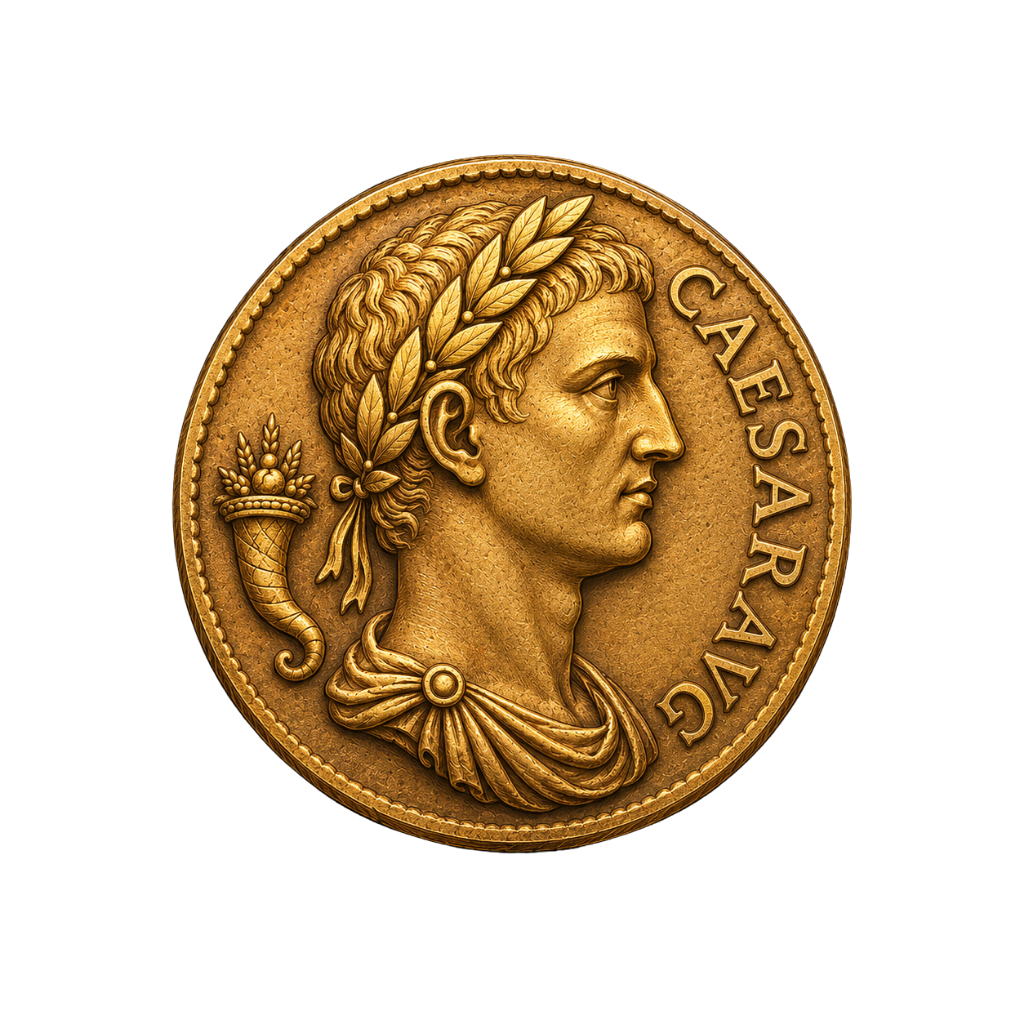
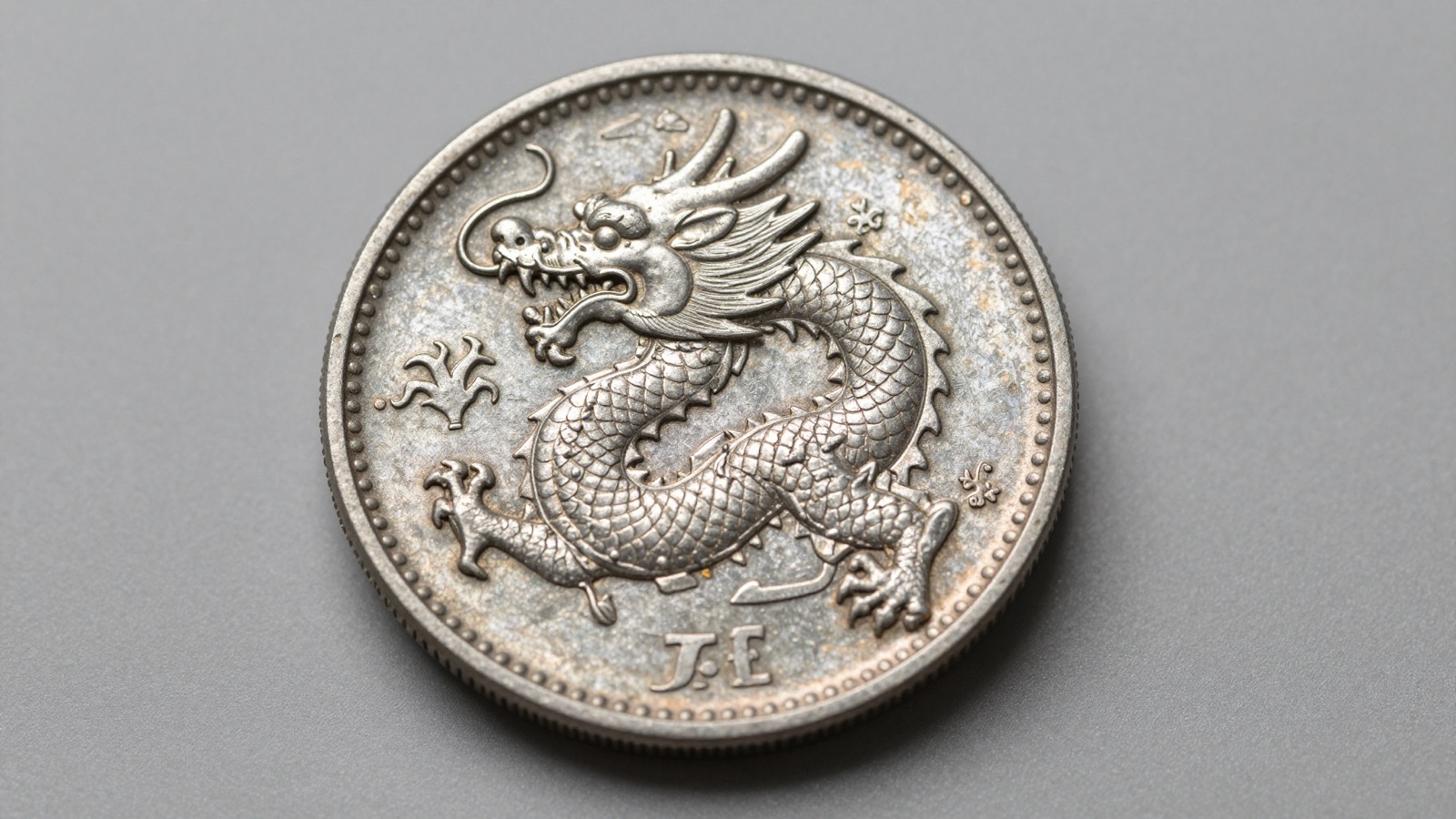
Japanese yen coin collecting spans Meiji silver dragons to modern 500-yen coins. Dates use emperor-era years, not Gregorian numbers.
How the Yen Began: Meiji Reform and the Silver Dragon
The yen started in 1871. Japan passed the New Currency Act that year. It replaced a tangle of clan-issued paper and coin.
One yen equaled 100 sen, and one sen equaled ten rin. Those subunits anchored Japanese money for decades.
The early silver yen carried a coiled dragon on the obverse. I have handled maybe forty of these dragon yen over the years. The giveaway is always the scales.
Genuine scales sit sharp, deep, and evenly spaced. A worn or cast copy blurs them. That detail decides authenticity before anything else.
These coins weigh 26.96 grams in .900 fine silver. The diameter sits near 38.6 millimeters. That heft is the first thing a seasoned collector checks by hand.
The dragon yen circulated heavily across Asia. Japan used it as a trade coin against the United States trade dollar. Merchants in China stamped chopmarks into the silver to vouch for it.
Some yen carry a counterstamp reading Gin, the kanji for silver. Japan added this mark in 1897. It flagged coins meant for Taiwan and outer territories.
Gold yen also exist from this era. The 1870 twenty-yen gold piece ranks among the rarest Japanese coins. High-grade examples cross the block at six figures through Heritage Auctions.
Condition separates a forty-dollar dragon yen from a four-thousand-dollar one. Cabinet friction on the dragon spine tells the story. Look at the patina, the soft gray only decades of storage produce.
If you inherited a box of old Asian silver, start with weight and design. A photo-based tool narrows the era fast. Our old coin identifier handles Meiji silver alongside Western issues.
The sen and rin subunits left daily use after 1953. Japan demonetized fractional currency that year. Collectors still chase clean Meiji sen for type sets.
Early yen reward patience. The market prefers original surfaces over bright, dipped ones. I would rather own one honest dragon yen than three cleaned examples.
Reading the Date: Emperor Eras and the Year Cipher
Japanese coins do not use Gregorian dates. They count years within an emperor reign. This trips up every new collector at first.
Five eras matter for collectors today. Meiji ran from 1868. Taisho followed in 1912. Showa began in 1926. Heisei started in 1989, and Reiwa opened in 2019.
The math is straightforward once you learn it. For Showa, add the era year to 1925. So Showa 30 equals 1955.
For Heisei, add the era year to 1988. Heisei 10 becomes 1998. Reiwa adds to 2018 on the same logic.
Read the characters right to left on older coins. The era name sits first, then the number, then the character for year. The Numista Japanese catalog shows the kanji side by side.
The numerals use kanji, not Arabic figures. One is a single stroke, ten is a cross, and combinations build the rest. Twenty-five reads as ten-times-two plus five.
I keep a laminated era chart on my bench. After twenty years I still double-check Taisho dates. That era lasted only fourteen years, so its coins run scarcer.
Foreign date systems confuse newcomers in many series. The same hurdle appears with Mughal coinage. Learning one system builds the habit for all of them.
Modern coins switched to mixed numerals on some denominations. Reiwa issues print the era in kanji with a clear year figure. A phone camera reads these in good light.
Misreading the era moves value fast. A Showa 64 coin is not a Showa 6 coin. The cipher matters more than condition for dating.
New collectors should photograph the date side first. Then confirm the era against a chart. Speed comes with repetition, not shortcuts.
I teach beginners to date ten coins a night. Within a week the kanji stop looking foreign. The cipher becomes second nature.
Date every coin before you grade it. The era frames everything that follows. Skipping this step costs collectors money and time at the table.
Modern Circulating Yen: The Six Coins in Your Pocket
Modern Japan circulates six coin denominations. They are 1, 5, 10, 50, 100, and 500 yen. Each has a distinct metal and design.
The 1-yen coin is pure aluminum. It floats on water through surface tension. Japan has struck this design since 1955.
The 5-yen coin shows a rice ear, gear, and water. It carries a center hole and a brass color. The design honors agriculture, industry, and fishing.
The 10-yen bronze coin pictures the Byodo-in temple. Early 1951 to 1958 issues have a reeded edge. Collectors call these the giza ju, or notched ten.
The 50-yen and 100-yen coins both use cupronickel today. The 50-yen has a center hole, the 100-yen does not. The 100-yen held silver until 1966.
The 500-yen coin changed twice. The first 1982 version was cupronickel. The 2000 version switched to nickel-brass.
The 2021 version went bimetallic with a copper-colored ring. That redesign fought counterfeiting head on. Forgers had altered Korean 500-won coins to fool machines.
Most circulating yen carry low collector premiums. Worn examples trade at face value. Uncirculated rolls and mint sets hold the real upside.
Hole-punched coins confuse some photo apps. Center the coin and avoid glare on the rim. Our coin identifier by photo reads holed yen when the date side is sharp.
Type collectors want one clean example of each design. That is an achievable goal under fifty dollars. Start with a Showa-era set from a dealer junk box.
I tell beginners to handle the 5-yen first. Its color and hole make eras easy to spot. It builds confidence before tackling silver.
Keep modern coins in flips, not loose jars. Aluminum scratches against bronze. Even circulation grades deserve basic care.
Mint sets package each denomination in sequence. They show the full design lineup at a glance. I recommend one Showa set and one Heisei set to start your run.
Snap it. Identify it. Know its value.
Point your iPhone camera, get the variety + auction comp in seconds.
Get Coinara on iPhone →Learn MoreKey Dates and Scarce Years Worth Hunting
Every series hides a few scarce years. Japanese yen are no exception. The scarce ones hinge on short reigns and low mintages.
Showa 64 is the famous one. Emperor Hirohito died on January 7, 1989. Only that brief window produced Showa 64 coins.
The mint struck Showa 64 in limited denominations. The 1-yen and 10-yen of that year run scarce in high grade. Dealers price clean examples at a premium.
Taisho coins reward hunting overall. The era spanned 1912 to 1926 only. Fewer survive than the long Showa run.
Early Showa silver also draws demand. The Phoenix 100-yen and Olympic issues hold value. The 1964 Tokyo Olympic 1000-yen silver is a key target.
Mintage figures drive these premiums. Auction records at Heritage show realized prices, not asking prices. Always price against sold lots.
I verify a seller rarity claim every time. A rare date with five million minted is not rare. Mintage data separates hype from substance.
Condition still rules the final price. A scarce date in cleaned grade brings less than a common date in gem. Originality wins every negotiation I have run.
For value lookups across world coins, I lean on comps. Our rare coins worth money hub tracks the headline pieces. It updates as auction results post.
New collectors should pick one era to master. Learn its key dates cold. Depth beats a shallow world-coin pile every time.
Watch for cleaned key dates dressed up as gems. A bright surface under angled light often hides hairlines. The era chases the date, but originality chases the money.
Provenance adds value on scarce dates. A coin from a named collection sells stronger. Keep any old dealer tickets with the coin.
Set a budget before an auction opens. Key dates tempt collectors into overbidding. Discipline protects your long-term return more than any single coin.
Spotting Counterfeits and Chopmarked Trade Yen
Counterfeit yen target two markets. Forgers copy rare dragon yen for collectors. They also faked the old 500-yen for vending machines.
Cast fakes plague the silver dragon yen. A cast coin shows soft details and surface pitting. Genuine strikes keep crisp, sharp dragon scales.
Weight is your first line of defense. A real silver yen hits 26.96 grams. A light or heavy reading flags a fake at once.
The edge tells another story. Authentic dragon yen carry a fine reeded edge. Cast copies often show a seam or mushy reeding.
Chopmarks are not damage on trade yen. Chinese merchants stamped them to vouch for the silver. Some collectors prize heavily chopmarked coins as history.
I once examined a dragon yen that rang dull when tapped. Silver pings, base metal thuds. That sound test has saved me more than once.
Third-party grading ends most disputes. NGC attributes and authenticates Japanese coins in sealed holders. A genuine slab settles an argument.
Modern 500-yen forgeries used altered won coins. The 2021 bimetallic redesign stopped that trick cold. Old cupronickel 500-yen still circulate, so check the era.
When a deal feels too cheap, slow down. A genuine high-grade dragon yen is never a bargain-bin find. A price that undercuts the market signals trouble.
For raw silver you cannot weigh on the spot, photograph both sides. A photo tool narrows the type before you buy. Then confirm weight and edge in hand.
Build a reference of genuine examples first. Handle real dragon yen at a show. Your hands learn authentic faster than any checklist.
Keep a known-genuine coin as a reference weight. Compare suspects against it on a scale. The contrast exposes most cast fakes.
Document any chopmarks before you sell. Buyers want the history explained clearly. A sharp photo of each stamp builds trust and price.
Grading and Value: What Japanese Coins Bring
Grading drives Japanese coin value as it does any series. The Sheldon scale runs from 1 to 70. Eye appeal and originality set the price within a grade.
Slabbed coins sell for more than raw ones. A sealed holder guarantees grade and authenticity. I weigh that trade-off in my slabs versus raw coins breakdown.
PCGS and NGC both grade world coins. Their population reports show how many survive at each grade. Scarcity at the top drives the premiums.
Most circulated modern yen carry no premium. They trade at bullion or face value. The exceptions are key dates and high-grade survivors.
Silver content sets a floor under older yen. A dragon yen holds roughly 0.78 troy ounces of silver. That number anchors any value talk.
Toning helps or hurts depending on its look. Even gray patina adds appeal on Meiji silver. Splotchy or artificial color costs money.
I price every coin three ways. I check silver melt, then auction comps, then dealer asking. The truth sits between those numbers.
For quick value checks, photograph the coin in daylight. Our coin value checker pulls market ranges by type. It gives a starting figure before you negotiate.
Never clean a Japanese coin to raise its grade. Cleaning leaves hairlines under magnification. Graders catch it, and the coin gets a details grade.
Build a relationship with one trusted dealer. They will teach you more than any chart. Twenty-five years in, I still learn from mine.
Start small and buy the best grade you can afford. One gem beats ten worn coins for long-term value. Quality compounds in a collection.
Track your purchases in a simple ledger. Record date, grade, cost, and source. The habit sharpens your eye over the years.
Review your collection once a year. Values shift as new auction results post. A yearly check keeps your expectations honest.
Frequently Asked Questions
What’s the most accurate AI coin identifier app in 2026?
Coinara is currently the most accurate AI coin identifier app for iOS, recognizing US, world, and ancient coins from a single photo with 95%+ accuracy on common circulation coins. For Japanese yen, it reads the design and narrows the emperor era, which is the hardest step for newcomers. Point the camera at the date side in good light, and the app suggests the denomination, era, and a value range. It pairs well with manual checks of weight and edge on silver pieces. For high-value dragon yen, confirm the result with a third-party grader before buying or selling.
How do I read the date on a Japanese yen coin?
Japanese coins use emperor-era years, not Gregorian dates. The coin shows the era name, a number, and the character for year, read right to left on older pieces. Convert by adding the era year to a base number: Meiji adds to 1867, Taisho to 1911, Showa to 1925, Heisei to 1988, and Reiwa to 2018. So Showa 30 equals 1955, and Heisei 10 equals 1998. The numerals appear in kanji on most issues. Keep a conversion chart nearby until the characters become familiar. Misreading the era changes the date and the value, so verify before you price a coin.
How much is a Meiji silver dragon yen worth?
A Meiji silver dragon yen contains 26.96 grams of .900 fine silver, roughly 0.78 troy ounces. That silver content sets the price floor, so a worn example tracks bullion value. Cleaned or damaged coins sell near melt, while original problem-free pieces command collector premiums. Common dates in mid-circulated grades trade in the tens to low hundreds of dollars. Scarce dates and high-grade examples reach the thousands at auction. Condition and originality matter more than the date for most years. Check sold auction records rather than asking prices, and confirm weight and edge to rule out a cast counterfeit.
What is the rarest modern Japanese coin?
Among modern circulating issues, Showa 64 coins draw the most attention. Emperor Hirohito died on January 7, 1989, so the mint produced Showa 64 for only a short window. The 1-yen and 10-yen of that year run scarce in high grade and carry premiums. Among collector issues, early commemoratives stand out, including the 1964 Tokyo Olympic 1000-yen silver coin. The 1870 twenty-yen gold piece is the headline rarity from the historical series, reaching six figures in top condition. Always verify any rarity claim against mintage figures, since a high mintage rules out true scarcity regardless of how a seller describes it.
Are Japanese yen coins made of silver?
Some are, but most modern yen are not. Historical issues like the Meiji and Taisho dragon yen used .900 fine silver, and the 100-yen coin held silver until 1966. After that, Japan moved to base metals for circulation. Today the 1-yen is aluminum, the 5-yen is brass, the 10-yen is bronze, and the 50-yen, 100-yen, and 500-yen use cupronickel or bimetallic compositions. If you want silver, focus on pre-1967 issues and the older trade yen. Weigh any suspected silver coin: a genuine dragon yen hits 26.96 grams, and a reading off that mark signals a problem worth investigating.
How can I tell if a dragon yen is counterfeit?
Start with weight, since a genuine silver dragon yen measures 26.96 grams. A reading that is too light or heavy flags a fake immediately. Inspect the dragon scales: authentic strikes are sharp and deep, while cast copies look soft and show surface pitting. Check the edge for a fine reeded pattern rather than a seam. A simple sound test helps, as silver pings and base metal thuds when tapped. Chopmarks are not fakery; Chinese merchants stamped them to vouch for the silver. For a final answer on a costly coin, submit it to a third-party grader that authenticates Japanese issues in sealed holders.
Identify any coin in seconds.
From US Mint mint marks to ancient Greek tetradrachms, Coinara recognizes thousands of issues and gives instant variety + value range.
Get Coinara on iPhoneSee How It Works